
Now Open at Our New Location! Visit us at 1140 Varnum Street NE Suite #30 Washington, DC 20017

Blog

Athlete’s Foot Symptoms and Causes

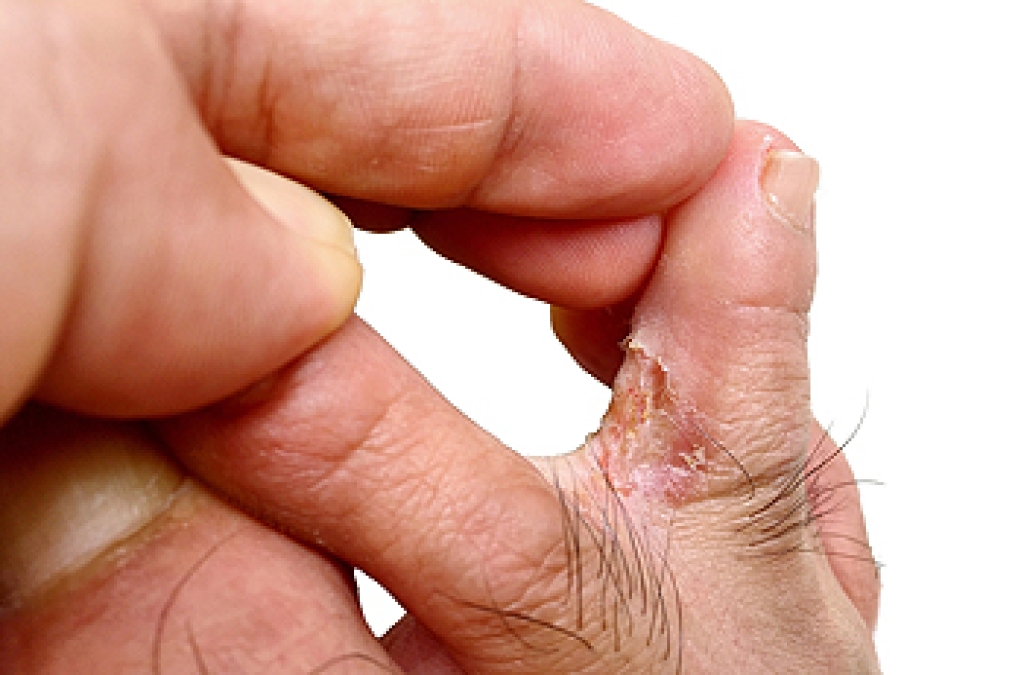
Athlete’s foot is a fungal infection that affects the skin of the feet. It often begins between the toes, where moisture can become trapped. The infection may cause itching between the toes, burning, or irritation. Red patches of skin may also develop as the infection progresses. Some people notice cracked or peeling skin that can become sore. Symptoms may affect one or both feet, and become more noticeable after wearing shoes.

Athlete’s foot is caused by fungi called dermatophytes. They thrive in warm, damp environments and can spread through contact with infected skin or contaminated surfaces. Locker rooms and shared shower and pool areas can provide conditions where the fungus spreads easily. Wearing damp socks or shoes for extended periods can also encourage fungal growth. The infection can spread when feet remain moist after bathing.

Certain factors can increase the risk of developing athlete’s foot. People who use communal showers or locker rooms may have greater exposure to the fungus. Wearing tight or poorly ventilated footwear can trap heat and moisture around the feet. Heavy sweating can create another favorable environment for fungal growth. A weakened immune system may also increase susceptibility. Scratches or small breaks in the skin can give fungi an easier way to enter.

A podiatrist can examine the skin and determine whether athlete’s foot is causing your symptoms. If the diagnosis is uncertain, a small skin sample may be examined for fungus. Treatment may include an antifungal medication and guidance on keeping the feet clean and dry. Your podiatrist may also recommend changing socks regularly and allowing shoes to dry between uses. Additionally, avoiding shared towels can help reduce spreading. If you have symptoms of athlete’s foot, it is suggested that you consult a podiatrist who can accurately diagnose and treat this condition, which may include prescribed medication.

Athlete’s foot is an inconvenient condition that can be easily reduced with the proper treatment. If you have any concerns about your feet and ankles, contact Dr. Lubrina Bryant from District Podiatry, PLLC.  Our doctor will treat your foot and ankle needs.

Athlete’s Foot: The Sole Story

Athlete's foot, also known as tinea pedis, can be an extremely contagious foot infection. It is commonly contracted in public changing areas and bathrooms, dormitory style living quarters, around locker rooms and public swimming pools, or anywhere your feet often come into contact with other people.

Solutions to Combat Athlete’s Foot

  • Hydrate your feet by using lotion
  • Exfoliate
  • Buff off nails
  • Use of anti-fungal products
  • Examine your feet and visit your doctor if any suspicious blisters or cuts develop

Athlete’s foot can cause many irritating symptoms such as dry and flaking skin, itching, and redness. Some more severe symptoms can include bleeding and cracked skin, intense itching and burning, and even pain when walking. In the worst cases, Athlete’s foot can cause blistering as well. Speak to your podiatrist for a better understanding of the different causes of Athlete’s foot, as well as help in determining which treatment options are best for you.

If you have any questions please feel free to contact our office located in Washington, D.C . We offer the newest diagnostic and treatment technologies for all your foot and ankle needs.
Read more about Athlete’s Foot

Poor Foot Posture and Its Connection to Low Back Pain

Poor foot posture occurs when the feet rest or move in an inefficient position that affects normal alignment and function. This can include excessive inward rolling, limited arch support, or uneven weight distribution. Poor foot function may change how the ankles, knees, and hips move during walking. These changes can affect the way the body absorbs impact. Some people may experience foot fatigue, arch discomfort, or uneven wear on their shoes. Addressing foot alignment may help improve overall movement.

Poor foot posture can also be associated with low back pain because the feet provide the foundation for the body during standing and walking. When foot mechanics change, the legs and pelvis may adjust to maintain balance. These adjustments can place additional stress on muscles and joints throughout the lower body. Risk factors include flat feet, previous foot injuries, and prolonged standing. Repetitive activities may also increase strain when the feet do not function efficiently.


Symptoms can vary depending on the underlying cause. Some people notice tired feet, heel discomfort, or changes in walking patterns. Others may develop discomfort that extends into the knees, hips, or lower back. A podiatrist can evaluate foot posture by examining alignment, walking mechanics, and weight distribution. They may also review footwear and assess the range of motion in the feet and ankles. Imaging tests may be recommended when structural problems are suspected.


Treatment depends on the cause and severity of poor foot function. A podiatrist may recommend wearing supportive footwear, custom orthotics, or targeted changes to daily activities. They may also address an underlying foot condition that is affecting alignment. Improving foot support can help create a more stable foundation for movement. If poor foot posture is affecting your comfort or contributing to low back pain, it is suggested that you consult a podiatrist for effective relief and treatment solutions.

If you have any concerns about your feet, contact Dr. Lubrina Bryant from District Podiatry, PLLC. Our doctor can provide the care you need to keep you pain-free and on your feet.

Biomechanics in Podiatry

Podiatric biomechanics is a particular sector of specialty podiatry with licensed practitioners who are trained to diagnose and treat conditions affecting the foot, ankle and lower leg. Biomechanics deals with the forces that act against the body, causing an interference with the biological structures. It focuses on the movement of the ankle, the foot and the forces that interact with them.

A History of Biomechanics

  • Biomechanics dates back to the BC era in Egypt where evidence of professional foot care has been recorded.
  • In 1974, biomechanics gained a higher profile from the studies of Merton Root, who claimed that by changing or controlling the forces between the ankle and the foot, corrections or conditions could be implemented to gain strength and coordination in the area.

Modern technological improvements are based on past theories and therapeutic processes that provide a better understanding of podiatric concepts for biomechanics. Computers can provide accurate information about the forces and patterns of the feet and lower legs.

Understanding biomechanics of the feet can help improve and eliminate pain, stopping further stress to the foot.

If you have any questions please feel free to contact our office located in Washington, D.C . We offer the newest diagnostic and treatment technologies for all your foot and ankle needs.

Read more about The Importance of Biomechanics in Podiatry

Heel Pain Can Be Treated!

Do you suffer from heel pain when you get up in the morning? If so, you should seek professional help and have a proper diagnosis performed. Heel pain can be caused by several different foot-related conditions.

Connect with us
Leave Google Review for District Podiatry, PLLC

District Podiatry, PLLC on Facebook District Podiatry, PLLC on Twitter Featured Articles Washington, DC 20017