
Now Open at Our New Location! Visit us at 1140 Varnum Street NE Suite #30 Washington, DC 20017

Blog

Childhood Flat Feet

Pediatric flat feet occur when the arches of a child’s feet appear low or absent while standing. In many children, flexible flat feet are painless and part of normal development, especially during the early years of growth. Flexible flat feet mean the arch is visible when the child is sitting or standing on tiptoe, but it flattens while standing normally. However, some children experience discomfort, fatigue, balance problems, or difficulty keeping up with physical activities. Parents may notice uneven shoe wear, frequent tripping, ankle pain, or a walking pattern that appears unusual. Flat feet can sometimes place added strain on the muscles and joints of the feet and legs, particularly during sports or long periods of activity. Rigid flat feet occur when the arch remains stiff and absent even when the foot is not bearing weight, which may point to an underlying structural problem. A podiatrist can examine foot structure, evaluate walking mechanics, and determine the best treatment approach. If your child experiences ongoing foot pain or difficulty walking, it is suggested that you visit a podiatrist for a proper diagnosis and appropriate treatment.

Making sure that your children maintain good foot health is very important as they grow. If you have any questions, contact Dr. Lubrina Bryant of District Podiatry, PLLC. Our doctor can provide the care you need to keep you pain-free and on your feet.

Keeping Children's Feet Healthy

Having healthy feet during childhood can help prevent medical problems later in life, namely in the back and legs. As children grow, their feet require different types of care. Here are some things to consider...

Although babies do not walk yet, it is still very important to take care of their feet.

Avoid putting tight shoes or socks on his or her feet.

Allow the baby to stretch and kick his or her feet to feel comfortable.

As a toddler, kids are now on the move and begin to develop differently. At this age, toddlers are getting a feel for walking, so don’t be alarmed if your toddler is unsteady or ‘walks funny’. 

As your child gets older, it is important to teach them how to take care of their feet.

Show them proper hygiene to prevent infections such as fungus.

Be watchful for any pain or injury.

Have all injuries checked by a doctor as soon as possible.

Comfortable, protective shoes should always be worn, especially at play.

If you have any questions, please feel free to contact our office located in Washington, D.C . We offer the newest diagnostic and treatment technologies for all your foot care needs.

Read more about What to Do to Keep Your Child’s Feet Healthy

Broken Toe Symptoms and Treatment Options

A broken toe is a fracture in one of the small bones of a toe. Each of the four smaller toes has three bones, while the big toe has two. Any of these bones can break. A fracture can happen after stubbing a toe against a hard object or dropping something heavy on the foot. Pain can begin right away and make walking uncomfortable. Swelling and bruising are also typical signs. Damage around the toenail can occur with some injuries, especially when the impact is strong enough to cut the skin beneath the nail.

A podiatrist can examine an injured toe and determine whether a fracture is likely. X-rays can usually show the location of the break and help guide treatment. An injury involving bleeding or damage beneath the nail deserves prompt attention because a cut can be hidden under the nail. The position of the toe also matters. A podiatrist can check whether the broken bone remains properly aligned, and look for damage to nearby tissues. This evaluation helps separate a fracture from other injuries that can cause similar pain and swelling.

Treatment depends on the location and severity of the broken toe. Surgery is rarely required for toe fractures. A podiatrist can stabilize certain fractures by securing the injured toe to the neighboring toe, a method called buddy-taping. A hard-soled shoe can reduce painful bending of the toe when walking. Many toe fractures heal within four to six weeks. A podiatrist can monitor healing and determine when returning to sports or other physical activities is appropriate. Persistent pain or problems with walking can signal that the toe needs further evaluation. If you have broken your toe, it is suggested that you schedule an appointment with a podiatrist for a diagnosis and appropriate treatment.

A broken toe can be very painful and lead to complications if not properly fixed. If you have any concerns about your feet, contact Dr. Lubrina Bryant from District Podiatry, PLLC. Our doctor will treat your foot and ankle needs.

What to Know About a Broken Toe

Although most people try to avoid foot trauma such as banging, stubbing, or dropping heavy objects on their feet, the unfortunate fact is that it is a common occurrence. Given the fact that toes are positioned in front of the feet, they typically sustain the brunt of such trauma. When trauma occurs to a toe, the result can be a painful break (fracture).

Symptoms of a Broken Toe

  • Throbbing pain
  • Swelling
  • Bruising on the skin and toenail
  • The inability to move the toe
  • Toe appears crooked or disfigured
  • Tingling or numbness in the toe

Generally, it is best to stay off of the injured toe with the affected foot elevated.

Severe toe fractures may be treated with a splint, cast, and in some cases, minor surgery. Due to its position and the pressure it endures with daily activity, future complications can occur if the big toe is not properly treated.

If you have any questions, please feel free to contact our office located in Washington, D.C . We offer the newest diagnostic and treatment technologies for all your foot care needs.
Read more about What to Know About a Broken Toe

Reminder: When Was the Last Time...?

Custom orthotics, or shoe inserts, should be periodically replaced. Orthotics must fit properly to give you the best results. Protect your feet and ankles!

How to Recognize and Treat Plantar Warts

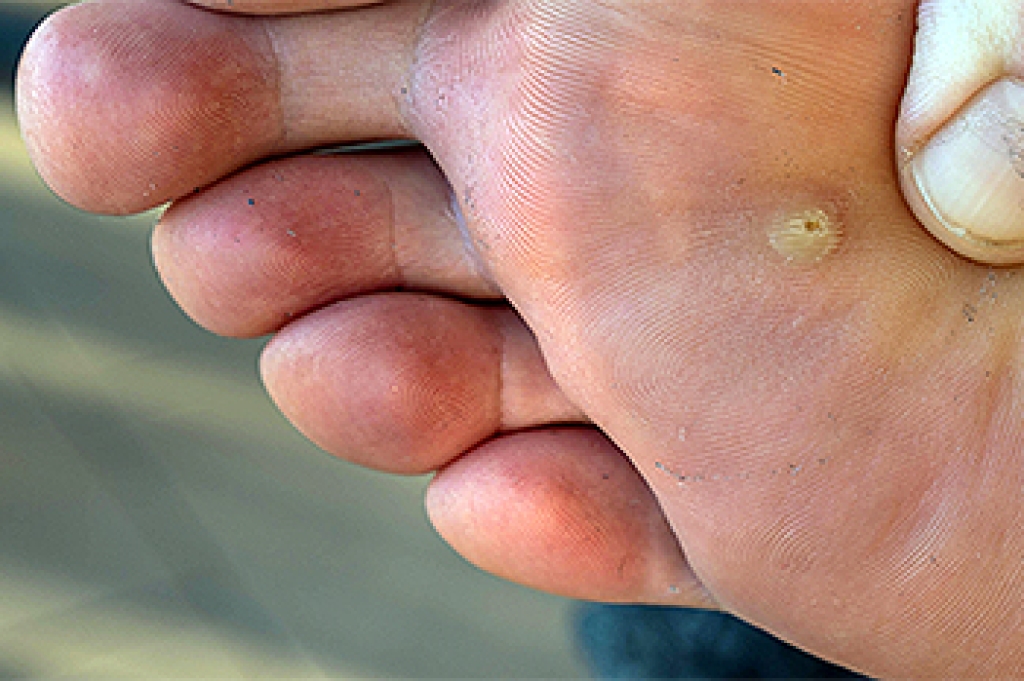
Plantar warts are rough growths that form on the soles of the feet. They develop when strains of human papillomavirus, or HPV, enter through breaks in the skin. The virus can spread through direct contact or shared areas, like locker rooms, showers, and pool decks. Pressure from standing can push a wart inward beneath a layer of thick skin. This can make the growth look like a callus. Unlike a callus, a plantar wart can interrupt the natural lines of the skin and show tiny black dots.

Pain can become sharper when standing or walking. A wart can also grow larger or form a cluster called a mosaic wart. Because corns and calluses can look similar, an accurate diagnosis matters. A podiatrist can examine the growth, check its texture, and look at the pattern of skin lines. In unusual cases, the doctor can remove a small sample for testing. Patients should seek prompt care when a growth bleeds, changes color, or causes increasing pain. People with diabetes, poor circulation, or a weakened immune system should also have any new foot growth checked promptly.

A podiatrist can recommend treatment based on the wart's size, location, and depth. In-office care can remove layers of thick skin and target the infected tissue. Options include freezing the wart, applying a controlled chemical treatment, or using laser treatment. Several visits can be necessary because plantar warts can be stubborn. For a deep or resistant wart, the podiatrist can discuss other procedures or surgery. Professional care also helps protect nearby healthy skin and reduce pain from pressure. The podiatrist can monitor healing and check whether the wart is returning or spreading. Plantar warts can be painful, and may cause difficulty in completing daily activities. If you have developed this condition, it is suggested that you schedule an appointment with a podiatrist for effective relief and treatment solutions.

Plantar warts can be very uncomfortable. If you need your feet checked, contact Dr. Lubrina Bryant from District Podiatry, PLLC. Our doctor will assist you with all of your foot and ankle needs.

About Plantar Warts

Plantar warts are the result of HPV, or human papillomavirus, getting into open wounds on the feet. They are mostly found on the heels or balls of the feet.

While plantar warts are generally harmless, those experiencing excessive pain or those suffering from diabetes or a compromised immune system require immediate medical care. Plantar warts are easily diagnosed, usually through scraping off a bit of rough skin or by getting a biopsy.

Symptoms

  • Lesions on the bottom of your feet, usually rough and grainy
  • Hard or thick callused spots
  • Wart seeds, which are small clotted blood vessels that look like little black spots
  • Pain, discomfort, or tenderness of your feet when walking or standing

Treatment

  • Freezing
  • Electric tool removal
  • Laser Treatment
  • Topical Creams (prescription only)
  • Over-the-counter medications

To help prevent developing plantar warts, avoid walking barefoot over abrasive surfaces that can cause cuts or wounds for HPV to get into. Avoiding direct contact with other warts, as well as not picking or rubbing existing warts, can help prevent the further spread of plantar warts. However, if you think you have developed plantar warts, speak to your podiatrist. He or she can diagnose the warts on your feet and recommend the appropriate treatment options.

If you have any questions, please feel free to contact our office located in Washington, D.C . We offer the newest diagnostic and treatment technologies for all your foot care needs.

Read more about All About Plantar Warts
Connect with us
Leave Google Review for District Podiatry, PLLC

District Podiatry, PLLC on Facebook District Podiatry, PLLC on Twitter Featured Articles Washington, DC 20017