
Now Open at Our New Location! Visit us at 1140 Varnum Street NE Suite #30 Washington, DC 20017

Blog

Broken Toe Symptoms and Treatment Options

A broken toe is a fracture in one of the small bones of a toe. Each of the four smaller toes has three bones, while the big toe has two. Any of these bones can break. A fracture can happen after stubbing a toe against a hard object or dropping something heavy on the foot. Pain can begin right away and make walking uncomfortable. Swelling and bruising are also typical signs. Damage around the toenail can occur with some injuries, especially when the impact is strong enough to cut the skin beneath the nail.

A podiatrist can examine an injured toe and determine whether a fracture is likely. X-rays can usually show the location of the break and help guide treatment. An injury involving bleeding or damage beneath the nail deserves prompt attention because a cut can be hidden under the nail. The position of the toe also matters. A podiatrist can check whether the broken bone remains properly aligned, and look for damage to nearby tissues. This evaluation helps separate a fracture from other injuries that can cause similar pain and swelling.

Treatment depends on the location and severity of the broken toe. Surgery is rarely required for toe fractures. A podiatrist can stabilize certain fractures by securing the injured toe to the neighboring toe, a method called buddy-taping. A hard-soled shoe can reduce painful bending of the toe when walking. Many toe fractures heal within four to six weeks. A podiatrist can monitor healing and determine when returning to sports or other physical activities is appropriate. Persistent pain or problems with walking can signal that the toe needs further evaluation. If you have broken your toe, it is suggested that you schedule an appointment with a podiatrist for a diagnosis and appropriate treatment.

A broken toe can be very painful and lead to complications if not properly fixed. If you have any concerns about your feet, contact Dr. Lubrina Bryant from District Podiatry, PLLC. Our doctor will treat your foot and ankle needs.

What to Know About a Broken Toe

Although most people try to avoid foot trauma such as banging, stubbing, or dropping heavy objects on their feet, the unfortunate fact is that it is a common occurrence. Given the fact that toes are positioned in front of the feet, they typically sustain the brunt of such trauma. When trauma occurs to a toe, the result can be a painful break (fracture).

Symptoms of a Broken Toe

  • Throbbing pain
  • Swelling
  • Bruising on the skin and toenail
  • The inability to move the toe
  • Toe appears crooked or disfigured
  • Tingling or numbness in the toe

Generally, it is best to stay off of the injured toe with the affected foot elevated.

Severe toe fractures may be treated with a splint, cast, and in some cases, minor surgery. Due to its position and the pressure it endures with daily activity, future complications can occur if the big toe is not properly treated.

If you have any questions, please feel free to contact our office located in Washington, D.C . We offer the newest diagnostic and treatment technologies for all your foot care needs.

Read more about What to Know About a Broken Toe

Reminder: When Was the Last Time...?

Custom orthotics, or shoe inserts, should be periodically replaced. Orthotics must fit properly to give you the best results. Protect your feet and ankles!

How to Recognize and Treat Plantar Warts

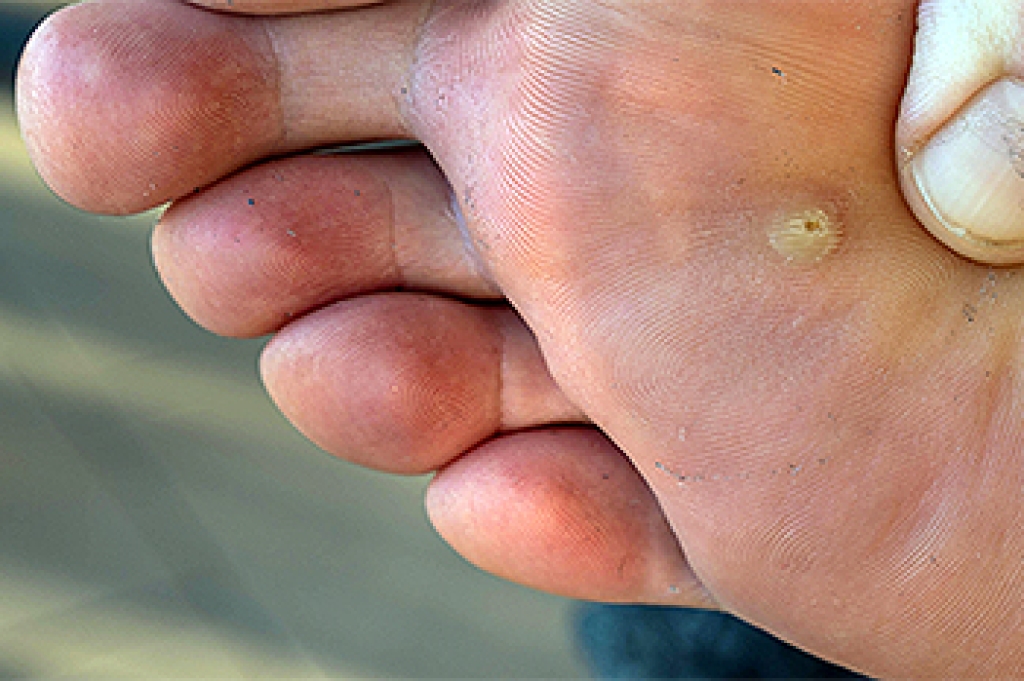
Plantar warts are rough growths that form on the soles of the feet. They develop when strains of human papillomavirus, or HPV, enter through breaks in the skin. The virus can spread through direct contact or shared areas, like locker rooms, showers, and pool decks. Pressure from standing can push a wart inward beneath a layer of thick skin. This can make the growth look like a callus. Unlike a callus, a plantar wart can interrupt the natural lines of the skin and show tiny black dots.

Pain can become sharper when standing or walking. A wart can also grow larger or form a cluster called a mosaic wart. Because corns and calluses can look similar, an accurate diagnosis matters. A podiatrist can examine the growth, check its texture, and look at the pattern of skin lines. In unusual cases, the doctor can remove a small sample for testing. Patients should seek prompt care when a growth bleeds, changes color, or causes increasing pain. People with diabetes, poor circulation, or a weakened immune system should also have any new foot growth checked promptly.

A podiatrist can recommend treatment based on the wart's size, location, and depth. In-office care can remove layers of thick skin and target the infected tissue. Options include freezing the wart, applying a controlled chemical treatment, or using laser treatment. Several visits can be necessary because plantar warts can be stubborn. For a deep or resistant wart, the podiatrist can discuss other procedures or surgery. Professional care also helps protect nearby healthy skin and reduce pain from pressure. The podiatrist can monitor healing and check whether the wart is returning or spreading. Plantar warts can be painful, and may cause difficulty in completing daily activities. If you have developed this condition, it is suggested that you schedule an appointment with a podiatrist for effective relief and treatment solutions.

Plantar warts can be very uncomfortable. If you need your feet checked, contact Dr. Lubrina Bryant from District Podiatry, PLLC. Our doctor will assist you with all of your foot and ankle needs.

About Plantar Warts

Plantar warts are the result of HPV, or human papillomavirus, getting into open wounds on the feet. They are mostly found on the heels or balls of the feet.

While plantar warts are generally harmless, those experiencing excessive pain or those suffering from diabetes or a compromised immune system require immediate medical care. Plantar warts are easily diagnosed, usually through scraping off a bit of rough skin or by getting a biopsy.

Symptoms

  • Lesions on the bottom of your feet, usually rough and grainy
  • Hard or thick callused spots
  • Wart seeds, which are small clotted blood vessels that look like little black spots
  • Pain, discomfort, or tenderness of your feet when walking or standing

Treatment

  • Freezing
  • Electric tool removal
  • Laser Treatment
  • Topical Creams (prescription only)
  • Over-the-counter medications

To help prevent developing plantar warts, avoid walking barefoot over abrasive surfaces that can cause cuts or wounds for HPV to get into. Avoiding direct contact with other warts, as well as not picking or rubbing existing warts, can help prevent the further spread of plantar warts. However, if you think you have developed plantar warts, speak to your podiatrist. He or she can diagnose the warts on your feet and recommend the appropriate treatment options.

If you have any questions, please feel free to contact our office located in Washington, D.C . We offer the newest diagnostic and treatment technologies for all your foot care needs.
Read more about All About Plantar Warts

Ingrown Toenail Treatment and Symptoms

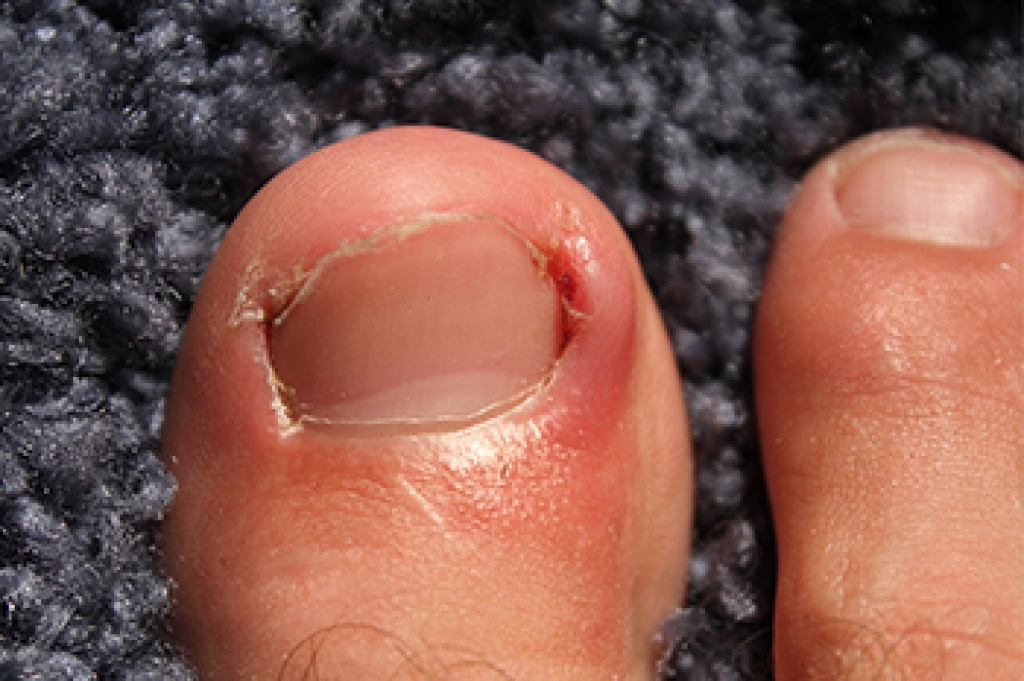
An ingrown toenail occurs when the edge of a toenail grows into the surrounding skin instead of over it. This condition most often affects the big toe and can become increasingly painful if left untreated. Common symptoms include redness, swelling, and tenderness along the edge of the nail. As the nail continues to press into the skin, the area may become inflamed and, in some cases, infected. Wearing shoes may become uncomfortable, and even simple activities like walking can cause significant pain. Several factors can contribute to ingrown toenails, including naturally curved nails, repeated pressure on the toes, and injuries to the toenail. Because symptoms often worsen, a professional evaluation is important to determine the most appropriate treatment and prevent complications.


Persistent irritation from an ingrown toenail can affect the surrounding skin and make movement more difficult. If the condition progresses, swelling may increase and the skin surrounding the nail may become more sensitive. People with diabetes, poor circulation, or reduced feeling in their feet may face a greater risk of serious complications because small wounds can heal slower. A comprehensive podiatry examination helps determine the severity of the ingrown toenail while identifying signs of infection or other foot conditions that may require attention. Early diagnosis allows treatment to begin before pain and inflammation become more severe or interfere with normal activities.


Professional podiatry care focuses on relieving pain, reducing inflammation, and correcting the problem based on each patient's individual needs. Treatment plans are tailored to the severity of the condition and may help lower the risk of future recurrence. Regular podiatry visits also allow foot health to be monitored and concerns to be addressed before complications develop. If you have persistent toe pain, swelling, or symptoms of an ingrown toenail, it is suggested that you consult a podiatrist for an evaluation and appropriate treatment options.

Ingrown toenails can become painful if they are not treated properly. For more information about ingrown toenails, contact Dr. Lubrina Bryant of District Podiatry, PLLC. Our doctor can provide the care you need to keep you pain-free and on your feet.

Ingrown Toenails

Ingrown toenails occur when a toenail grows sideways into the bed of the nail, causing pain, swelling, and possibly infection.

Causes

  • Bacterial infections
  • Improper nail cutting such as cutting it too short or not straight across
  • Trauma to the toe, such as stubbing, which causes the nail to grow back irregularly
  • Ill-fitting shoes that bunch the toes too close together
  • Genetic predisposition

Prevention

Wearing proper fitting shoes and using proper cutting techniques will also help decrease your risk of developing ingrown toenails.

Treatment

Ingrown toenails are a very treatable foot condition. In minor cases, soaking the affected area in salt or antibacterial soaps will not only help with the ingrown nail itself, but also help prevent any infections from occurring. In more severe cases, surgery is an option. In either case, speaking to your podiatrist about this condition will help you get a better understanding of specific treatment options that are right for you.

If you have any questions, please feel free to contact our office located in Washington, D.C . We offer the newest diagnostic and treatment technologies for all your foot care needs.
Read more about Ingrown Toenail Care

Foot and Ankle Injuries in Athletes

Sports-related foot and ankle injuries can interrupt training, limit performance, and make everyday movement uncomfortable. Running, jumping, and sudden changes in direction place repeated stress on the feet and ankles, increasing the risk of injury. Common problems include ankle sprains, stress fractures, tendon injuries, and heel pain. Tendons are strong bands of tissue that connect muscles to bones. Symptoms include pain, swelling, bruising, and stiffness. Difficulty putting weight on the affected foot or ankle is another sign. Some injuries develop suddenly after a fall or awkward landing, while others result from repeated stress that gradually damages bones or soft tissues. Early evaluation helps identify the source of pain before the injury becomes more serious.

A podiatrist carefully evaluates foot structure, ankle stability, and walking pattern to determine what is contributing to the injury. The examination also identifies areas of tenderness and movement problems that increase stress on the feet during sports and other activities. Treatment includes custom orthotics, footwear recommendations, and care tailored to the specific injury. A podiatrist can also recommend exercises that improve flexibility, strength, and balance to support recovery and help reduce the risk of future injuries. Regular evaluations help monitor healing and guide a safe return to athletic activities. Improving foot mechanics can also reduce unnecessary strain on the joints and supporting tissues while walking and running.

Ignoring a sports-related foot or ankle injury can lead to ongoing pain, reduced performance, and a greater chance of repeated injuries. Returning to sports too quickly can increase stress on healing tissues and delay recovery. Wearing shoes that provide proper support and addressing movement problems can help protect the feet and ankles during physical activity. Early podiatry care improves foot function, supports healthy movement, and helps patients return to their favorite activities with greater confidence. If you have sustained a sports-related foot and ankle injury, it is suggested that you schedule an appointment with a podiatrist for diagnosis and treatment.

Ankle and foot injuries are common among athletes and in many sports. They can be caused by several problems and may be potentially serious. If you are feeling pain or think you were injured in a sporting event or when exercising, consult with Dr. Lubrina Bryant from District Podiatry, PLLC. Our doctor will assess your condition and provide you with quality foot and ankle treatment.

Common Injuries

The most common injuries that occur in sporting activities include:

  • Achilles Tendonitis
  • Achilles Tendon Rupture
  • Ankle Sprains
  • Broken Foot
  • Plantar Fasciitis
  • Stress Fractures
  • Turf Toe

Symptoms

Symptoms vary depending upon the injury and in some cases, there may be no symptoms at all. However, in most cases, some form of symptom is experienced. Pain, aching, burning, bruising, tenderness, tightness or stiffness, sensation loss, difficulty moving, and swelling are the most common symptoms.

Treatment

Just as symptoms vary depending upon the injury, so do treatment options. A common treatment method is known as the RICE method. This method involves rest, applying ice, compression and elevating the afflicted foot or ankle. If the injury appears to be more serious, surgery might be required, such as arthroscopic or reconstructive surgery. Lastly, rehabilitation or therapy might be needed to gain full functionality in the afflicted area. Any discomfort experienced by an athlete must be evaluated by a licensed, reputable medical professional.  

If you have any questions please contact our office located in Washington, D.C . We offer the newest diagnostic and treatment technologies for all your foot and ankle needs.

Read more about Sports Related Foot and Ankle Injuries
Connect with us
Leave Google Review for District Podiatry, PLLC

District Podiatry, PLLC on Facebook District Podiatry, PLLC on Twitter Featured Articles Washington, DC 20017