


You don't need an excuse to have beautiful nails. Step outside without worrying about the appearance of your feet.
You don't need an excuse to have beautiful nails. Step outside without worrying about the appearance of your feet.

Running places repeated force on the feet and ankles, especially when mileage or intensity rises too quickly. This strain can irritate muscles, tendons, or bones. Plantar fasciitis causes heel pain when the band beneath the foot becomes irritated. Achilles tendonitis affects the tendon connecting the calf muscles to the heel. Ankle sprains occur when the ankle rolls and stretches the ligaments that hold it together. Stress fractures are small cracks in bones caused by repeated pressure. Pain that changes a runner’s stride should not be ignored because altered movement can place stress on other areas.
Several factors raise the risk of a running injury. Wearing shoes that lack support can allow poor foot alignment and reduce protection from impact. Uneven surfaces, weak ankle muscles, and limited flexibility can contribute. A sudden change in distance, pace, or hill training places extra demand on tissues that are not prepared for the added workload. Warning signs while running include increased foot pain, swelling, or tenderness in one spot. Other concerns include bruising, reduced ankle motion, or pain that continues after activity. A popping sound, inability to bear weight, or visible change in shape needs prompt medical evaluation.
A podiatrist can examine how the feet and ankles move, locate the injured area, and determine the severity of the problem. X-rays can reveal fractures or changes in joint alignment. Other imaging tests can help identify stress fractures or soft-tissue damage that does not appear on an X-ray. Treatment includes activity changes, bracing, or custom orthotics to improve support and reduce pressure. A podiatrist can assess running shoes and identify problems with foot mechanics. For injuries, a walking boot can protect the area while it heals. Surgery can be considered for a severe fracture, a complete tendon tear, or an injury that remains unstable. If you have injured a foot or ankle while running, it is suggested that you schedule an appointment with a podiatrist for a diagnosis and appropriate treatment.
Exercising your feet regularly with the proper foot wear is a great way to prevent injuries. If you have any concerns about your feet, contact Dr. Lubrina Bryant of District Podiatry, PLLC. Our doctor will treat your foot and ankle needs.
How to Prevent Running Injuries
Many common running injuries are caused by overuse and overtraining. When the back of the kneecap starts wearing out and starts causing pain in your knee, this is commonly referred to as runner’s knee. Runner’s knee is a decrease in strength in your quadriceps and can occur if you’re not wearing properly fitted or supporting shoes. To prevent runner’s knee, focusing on hip strengthening is a good idea, as well as strengthening your quads to keep the kneecaps aligned.
What Are Some Causes of Running Injuries?
- One cause of a common running injury is called iliotibial band syndrome.
- Plantar fasciitis is also another common injury.
- Stress fractures can occur from overtraining, lack of calcium, or even your running style.
Best Ways to Prevent Running Injuries
- Wear footwear that fits properly and suits your running needs.
- Running shoes are the only protective gear that runners have to safeguard them from injury.
- Make a training schedule. Adding strengthening exercises as well as regular stretching can help keep you strong and limber and can lessen the possibility of injuries.
- Stretching keeps muscles limber; this will help you gain better flexibility.
If you have any questions, please feel free to contact our office located in Washington, D.C . We offer the newest diagnostic and treatment technologies for all your foot care needs.

Cracked heels after running are a common foot concern that occurs when the skin around the heel becomes dry, thick, and unable to stretch normally. Repeated impact from running places extra stress on the heel skin. For some runners, the problem begins with sensitive, dry feet that feel rough or tight after exercise. Itching may develop as the skin becomes irritated. Without proper care, the skin progresses to peeling and painful cracks, or fissures. In more advanced cases, the deeper cracks may bleed and become vulnerable to infection.
Cracked heels develop through four stages. The first stage involves dry, rough skin that may feel uncomfortable. The second stage brings increased dryness with itching or mild peeling. During the third stage, cracks become deeper and may cause pain while walking or running. The fourth stage can involve bleeding cracks, significant tenderness, or signs of infection. Risk factors include frequent running, naturally dry skin, and footwear that does not fit well. Psoriasis can also contribute to thick, cracked skin on the feet.
Several causes can make cracked heels worse after running. Skin dehydration is a major concern because dry skin loses flexibility and can split more easily. Wearing ill-fitting shoes increases pressure or rubbing, while some socks also can create additional friction. Skin conditions such as psoriasis may further increase dryness and scaling. Moisturizing regularly and choosing comfortable running shoes can help protect the heel skin.
A podiatrist determines why your heels are cracking and checks for deeper skin damage. Treatment options include removing thickened skin, recommending a medical moisturizer, and protecting open cracks while they heal. The podiatrist may also recommend types of footwear or sock changes to reduce friction. Keeping the heels moisturized and avoiding activities that worsen painful cracks can support healing. If you have painful cracked heels from running, it is suggested that you consult a podiatrist for effective relief solutions and guidance on useful prevention tips.
If the skin on your feet starts to crack, you may want to see a podiatrist to find treatment. If you have any concerns, contact Dr. Lubrina Bryant from District Podiatry, PLLC. Our doctor can provide the care you need to keep you pain-free and on your feet.
Cracked Heels
It is important to moisturize your cracked heels in order to prevent pain, bleeding, and infection. The reason cracked heels form is because the skin on the foot is too dry to support the immense pressure placed on them. When the foot expands, the dry skin on the foot begins to split.
Ways to Help Heal Them
Ways to Prevent Cracked Heels
If you are unsure how to proceed in treating cracked heels, seek guidance from a podiatrist. Your doctor will help you with any questions or information you may need.
If you have any questions, please feel free to contact our office located in Washington, D.C . We offer the newest diagnostic and treatment technologies for all your foot care needs.

Arthritis in the feet can make each step painful and limit daily movement. Osteoarthritis is a long-term joint condition that affects the entire joint and the tissues around it. In the foot, damaged joints can become painful, swollen, and stiff. Movement may become harder as symptoms progress. Reduced movement can also weaken nearby muscles and make physical activities more difficult. Although osteoarthritis is more frequent in older adults, it is not an unavoidable part of aging. Younger people can also develop it, especially after a joint injury or repeated stress.
Several factors can increase the risk of osteoarthritis. Previous joint injuries, repeated stress, and excess body weight can contribute to the condition. Genetics and age can also play a role. Symptoms can begin slowly, although they can appear more quickly after an injury or strain. Foot arthritis can affect mobility because the feet carry body weight and help the body move forward with every step. Pain and stiffness can make work or social activities harder. Some patients also experience discomfort while resting when osteoarthritis becomes severe.
A podiatrist can evaluate painful foot joints and determine how arthritis is affecting movement and function. An examination can assess swelling, joint motion, and areas of tenderness. Treatment can focus on reducing pressure on painful joints and supporting better mobility. A podiatrist can recommend braces or other supportive devices when appropriate. Care can also include guided exercises to strengthen muscles and maintain joint movement. If you have symptoms of arthritic foot pain, it is suggested that you schedule an appointment with a podiatrist for diagnosis and treatment.
Arthritis can be a difficult condition to live with. If you are seeking treatment, contact Dr. Lubrina Bryant from District Podiatry, PLLC. Our doctor can provide the care you need to keep you pain-free and on your feet.
Arthritic Foot Care
Arthritis is a term that is commonly used to describe joint pain. The condition itself can occur to anyone of any age, race, or gender, and there are over 100 types of it. Nevertheless, arthritis is more commonly found in women compared to men, and it is also more prevalent in those who are overweight. The causes of arthritis vary depending on which type of arthritis you have. Osteoarthritis for example, is often caused by injury, while rheumatoid arthritis is caused by a misdirected immune system.
Symptoms
Arthritic symptoms range in severity, and they may come and go. Some symptoms stay the same for several years but could potentially get worse with time. Severe cases of arthritis can prevent its sufferers from performing daily activities and make walking difficult.
Risk Factors
If you suspect your arthritis is affecting your feet, it is crucial that you see a podiatrist immediately. Your doctor will be able to address your specific case and help you decide which treatment method is best for you.
If you have any questions please feel free to contact our office located in Washington, D.C . We offer the newest diagnostic tools and technology to treat your foot and ankle needs.
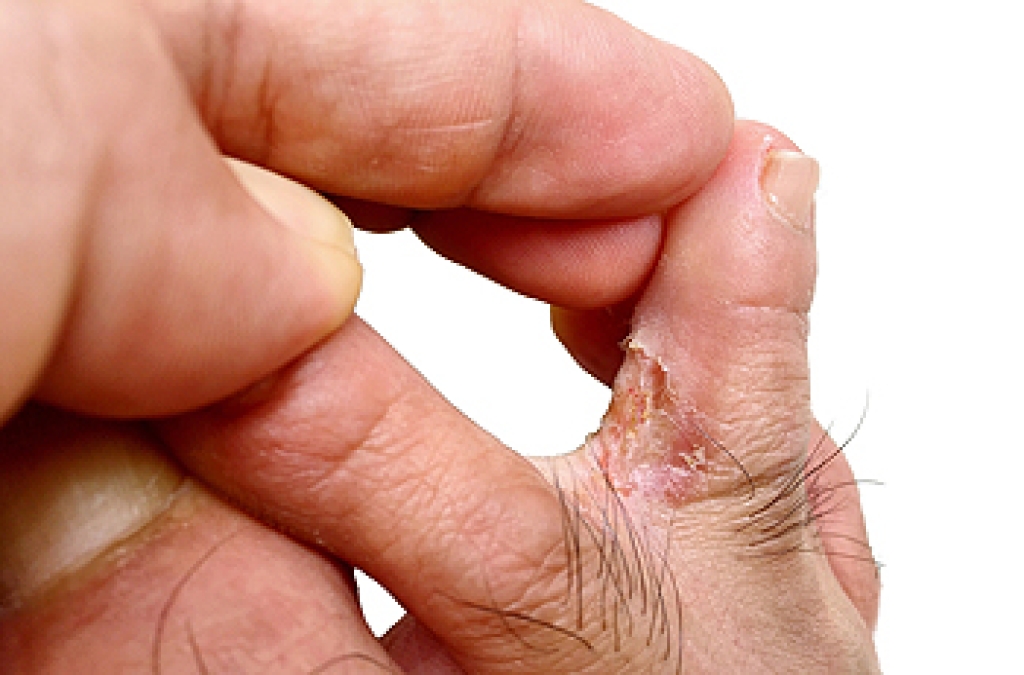
Athlete’s foot is a fungal infection that affects the skin of the feet. It often begins between the toes, where moisture can become trapped. The infection may cause itching between the toes, burning, or irritation. Red patches of skin may also develop as the infection progresses. Some people notice cracked or peeling skin that can become sore. Symptoms may affect one or both feet, and become more noticeable after wearing shoes.
Athlete’s foot is caused by fungi called dermatophytes. They thrive in warm, damp environments and can spread through contact with infected skin or contaminated surfaces. Locker rooms and shared shower and pool areas can provide conditions where the fungus spreads easily. Wearing damp socks or shoes for extended periods can also encourage fungal growth. The infection can spread when feet remain moist after bathing.
Certain factors can increase the risk of developing athlete’s foot. People who use communal showers or locker rooms may have greater exposure to the fungus. Wearing tight or poorly ventilated footwear can trap heat and moisture around the feet. Heavy sweating can create another favorable environment for fungal growth. A weakened immune system may also increase susceptibility. Scratches or small breaks in the skin can give fungi an easier way to enter.
A podiatrist can examine the skin and determine whether athlete’s foot is causing your symptoms. If the diagnosis is uncertain, a small skin sample may be examined for fungus. Treatment may include an antifungal medication and guidance on keeping the feet clean and dry. Your podiatrist may also recommend changing socks regularly and allowing shoes to dry between uses. Additionally, avoiding shared towels can help reduce spreading. If you have symptoms of athlete’s foot, it is suggested that you consult a podiatrist who can accurately diagnose and treat this condition, which may include prescribed medication.
Athlete’s foot is an inconvenient condition that can be easily reduced with the proper treatment. If you have any concerns about your feet and ankles, contact Dr. Lubrina Bryant from District Podiatry, PLLC. Our doctor will treat your foot and ankle needs.
Athlete’s Foot: The Sole Story
Athlete's foot, also known as tinea pedis, can be an extremely contagious foot infection. It is commonly contracted in public changing areas and bathrooms, dormitory style living quarters, around locker rooms and public swimming pools, or anywhere your feet often come into contact with other people.
Solutions to Combat Athlete’s Foot
Athlete’s foot can cause many irritating symptoms such as dry and flaking skin, itching, and redness. Some more severe symptoms can include bleeding and cracked skin, intense itching and burning, and even pain when walking. In the worst cases, Athlete’s foot can cause blistering as well. Speak to your podiatrist for a better understanding of the different causes of Athlete’s foot, as well as help in determining which treatment options are best for you.
If you have any questions please feel free to contact our office located in Washington, D.C . We offer the newest diagnostic and treatment technologies for all your foot and ankle needs.