


Do you suffer from heel pain when you get up in the morning? If so, you should seek professional help and have a proper diagnosis performed. Heel pain can be caused by several different foot-related conditions.
Do you suffer from heel pain when you get up in the morning? If so, you should seek professional help and have a proper diagnosis performed. Heel pain can be caused by several different foot-related conditions.

Ankle pain can develop after a sudden injury, and can make standing or walking difficult. One possible cause is an ankle fracture, which is a partial or complete break in a bone. Fractures range from small pieces of bone being pulled away to more serious breaks involving the ankle bones. Rolling the ankle inward or outward can cause a fracture. Because a fracture can feel similar to a sprain, an accurate evaluation is important. In some cases, both injuries can happen at the same time.
An ankle fracture can cause pain, swelling, and bruising soon after the injury. Pain can stay near the ankle or extend from the foot toward the knee. Some patients cannot walk, but being able to walk does not rule out a fracture. The ankle can also look different from the uninjured side. More serious fractures can break through the skin and require immediate care because of the risk of infection. Ankle fractures vary in severity, so treatment depends on the location and type of break. Some fractures require protection in a cast or splint, while severe injuries can require surgery.
A podiatrist can examine an injured ankle and determine whether the pain is related to a fracture or another problem. The evaluation can include checking tender areas, swelling, and changes in the ankle's appearance. Imaging can help confirm a fracture and show the extent of the injury. A podiatrist can determine whether the ankle needs to be protected and kept from moving while the bone heals. Proper treatment is important because complications can include deformity, arthritis, and lasting pain. If you have ankle pain, it is suggested that you schedule an appointment with a podiatrist for a diagnosis and appropriate treatment.
Ankle pain can be caused by a number of problems and may be potentially serious. If you have ankle pain, consult with Dr. Lubrina Bryant from District Podiatry, PLLC. Our doctor will assess your condition and provide you with quality foot and ankle treatment.
Ankle pain is any condition that causes pain in the ankle. Due to the fact that the ankle consists of tendons, muscles, bones, and ligaments, ankle pain can come from a number of different conditions.
Causes
The most common causes of ankle pain include:
Symptoms
Symptoms of ankle injury vary based upon the condition. Pain may include general pain and discomfort, swelling, aching, redness, bruising, burning or stabbing sensations, and/or loss of sensation.
Diagnosis
Due to the wide variety of potential causes of ankle pain, podiatrists will utilize a number of different methods to properly diagnose ankle pain. This can include asking for personal and family medical histories and of any recent injuries. Further diagnosis may include sensation tests, a physical examination, and potentially x-rays or other imaging tests.
Treatment
Just as the range of causes varies widely, so do treatments. Some more common treatments are rest, ice packs, keeping pressure off the foot, orthotics and braces, medication for inflammation and pain, and surgery.
If you have any questions please feel free to contact our office located in Washington, D.C . We offer the newest diagnostic tools and technology to treat your foot and ankle needs.
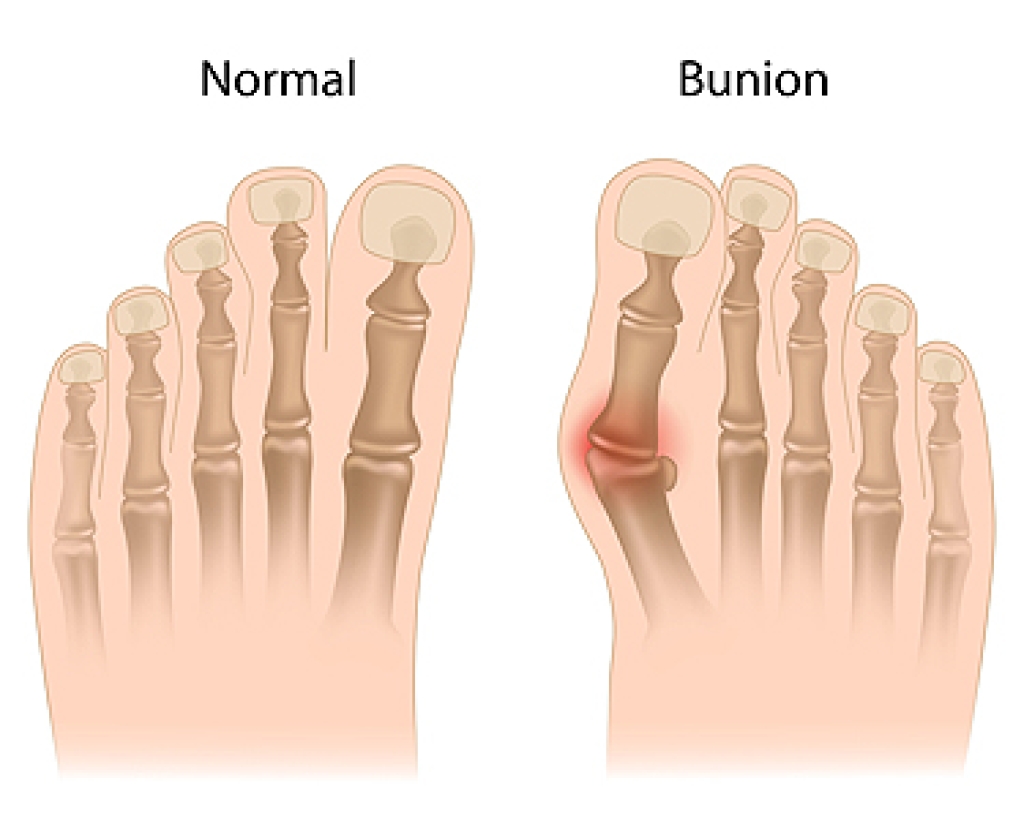
A bunion is a foot deformity that develops when the big toe gradually moves toward the smaller toes while the joint at its base shifts outward. This creates a noticeable bump along the inside of the foot near the big toe joint. Bunions usually develop gradually and may become more prominent over time. Although some people experience little discomfort, others may develop pain, swelling, or stiffness. Shoes that press against the bump can cause friction and irritation, making standing and walking uncomfortable.
Bunion symptoms can become more noticeable as the deformity progresses. Pain may occur while walking, standing, or while wearing narrow shoes. Swelling and tenderness surrounding the joint are common, and repeated pressure may lead to calluses or thickened skin. The big toe may become less flexible and gradually move closer to the second toe. Genetics, inherited foot structure, abnormal foot mechanics, and footwear that places excessive pressure on the toes may contribute to bunion development. A family history of bunions can also increase the risk.
A podiatrist can evaluate the bunion and determine how it affects foot function. An examination may assess toe alignment, joint movement, and walking mechanics. X-rays may also be recommended to evaluate bone alignment and changes within the joint. Treatment depends on the severity of the bunion and the symptoms involved. Conservative options may include wider shoes, protective padding, and other measures designed to reduce pressure and improve comfort. Surgery may be considered when persistent pain significantly interferes with daily activities.
Early attention to bunion symptoms can help manage discomfort and support healthy foot function. Wearing shoes with adequate room around the toes can reduce pressure on the affected joint. Ongoing pain, swelling, or difficulty wearing shoes should not be ignored. If you have a painful or swollen bunion, it is suggested that you consult a podiatrist for an evaluation, appropriate treatment, and long-term management.
If you are suffering from bunions, contact Dr. Lubrina Bryant of District Podiatry, PLLC. Our doctor can provide the care you need to keep you pain-free and on your feet.
What Is a Bunion?
A bunion is formed of swollen tissue or an enlargement of boney growth, usually located at the base joint of the toe that connects to the foot. The swelling occurs due to the bones in the big toe shifting inward, which impacts the other toes of the foot. This causes the area around the base of the big toe to become inflamed and painful.
Why Do Bunions Form?
Genetics – Susceptibility to bunions are often hereditary
Stress on the feet – Poorly fitted and uncomfortable footwear that places stress on feet, such as heels, can worsen existing bunions
How Are Bunions Diagnosed?
Podiatrists often perform two tests – blood tests and x-rays – when trying to diagnose bunions, especially in the early stages of development. Blood tests help determine if the foot pain is being caused by something else, such as arthritis, while x-rays provide a clear picture of your bone structure to your provider.
How Are Bunions Treated?
If you have any questions, please feel free to contact our office located in Washington, D.C . We offer the newest diagnostic and treatment technologies for all your foot care needs.

Pediatric flat feet occur when the arches of a child’s feet appear low or absent while standing. In many children, flexible flat feet are painless and part of normal development, especially during the early years of growth. Flexible flat feet mean the arch is visible when the child is sitting or standing on tiptoe, but it flattens while standing normally. However, some children experience discomfort, fatigue, balance problems, or difficulty keeping up with physical activities. Parents may notice uneven shoe wear, frequent tripping, ankle pain, or a walking pattern that appears unusual. Flat feet can sometimes place added strain on the muscles and joints of the feet and legs, particularly during sports or long periods of activity. Rigid flat feet occur when the arch remains stiff and absent even when the foot is not bearing weight, which may point to an underlying structural problem. A podiatrist can examine foot structure, evaluate walking mechanics, and determine the best treatment approach. If your child experiences ongoing foot pain or difficulty walking, it is suggested that you visit a podiatrist for a proper diagnosis and appropriate treatment.
Making sure that your children maintain good foot health is very important as they grow. If you have any questions, contact Dr. Lubrina Bryant of District Podiatry, PLLC. Our doctor can provide the care you need to keep you pain-free and on your feet.
Keeping Children's Feet Healthy
Having healthy feet during childhood can help prevent medical problems later in life, namely in the back and legs. As children grow, their feet require different types of care. Here are some things to consider...
Although babies do not walk yet, it is still very important to take care of their feet.
Avoid putting tight shoes or socks on his or her feet.
Allow the baby to stretch and kick his or her feet to feel comfortable.
As a toddler, kids are now on the move and begin to develop differently. At this age, toddlers are getting a feel for walking, so don’t be alarmed if your toddler is unsteady or ‘walks funny’.
As your child gets older, it is important to teach them how to take care of their feet.
Show them proper hygiene to prevent infections such as fungus.
Be watchful for any pain or injury.
Have all injuries checked by a doctor as soon as possible.
Comfortable, protective shoes should always be worn, especially at play.
If you have any questions, please feel free to contact our office located in Washington, D.C . We offer the newest diagnostic and treatment technologies for all your foot care needs.

A broken toe is a fracture in one of the small bones of a toe. Each of the four smaller toes has three bones, while the big toe has two. Any of these bones can break. A fracture can happen after stubbing a toe against a hard object or dropping something heavy on the foot. Pain can begin right away and make walking uncomfortable. Swelling and bruising are also typical signs. Damage around the toenail can occur with some injuries, especially when the impact is strong enough to cut the skin beneath the nail.
A podiatrist can examine an injured toe and determine whether a fracture is likely. X-rays can usually show the location of the break and help guide treatment. An injury involving bleeding or damage beneath the nail deserves prompt attention because a cut can be hidden under the nail. The position of the toe also matters. A podiatrist can check whether the broken bone remains properly aligned, and look for damage to nearby tissues. This evaluation helps separate a fracture from other injuries that can cause similar pain and swelling.
Treatment depends on the location and severity of the broken toe. Surgery is rarely required for toe fractures. A podiatrist can stabilize certain fractures by securing the injured toe to the neighboring toe, a method called buddy-taping. A hard-soled shoe can reduce painful bending of the toe when walking. Many toe fractures heal within four to six weeks. A podiatrist can monitor healing and determine when returning to sports or other physical activities is appropriate. Persistent pain or problems with walking can signal that the toe needs further evaluation. If you have broken your toe, it is suggested that you schedule an appointment with a podiatrist for a diagnosis and appropriate treatment.
A broken toe can be very painful and lead to complications if not properly fixed. If you have any concerns about your feet, contact Dr. Lubrina Bryant from District Podiatry, PLLC. Our doctor will treat your foot and ankle needs.
What to Know About a Broken Toe
Although most people try to avoid foot trauma such as banging, stubbing, or dropping heavy objects on their feet, the unfortunate fact is that it is a common occurrence. Given the fact that toes are positioned in front of the feet, they typically sustain the brunt of such trauma. When trauma occurs to a toe, the result can be a painful break (fracture).
Symptoms of a Broken Toe
Generally, it is best to stay off of the injured toe with the affected foot elevated.
Severe toe fractures may be treated with a splint, cast, and in some cases, minor surgery. Due to its position and the pressure it endures with daily activity, future complications can occur if the big toe is not properly treated.
If you have any questions, please feel free to contact our office located in Washington, D.C . We offer the newest diagnostic and treatment technologies for all your foot care needs.